
Hyrox Nutrition: Fuelling, Recovery, and Performance
Hyrox has exploded in popularity across Australia, demanding a unique blend of functional strength and aerobic endurance. Whether you are aiming for a podium finish in the Pro division or simply looking to cross the finish line of your very first Open race, your nutrition strategy is the engine that drives those sleds and carries you through those kilometres of running.
As a sports dietitian, I see many athletes approach Hyrox with a "standard gym" mindset. However, the physiological demands of this race require a much more nuanced approach to fuelling. Here is your comprehensive guide to mastering the Hyrox kitchen.
Hyrox vs. The Regular Gym: Why Your Needs Change
In a typical gym setting, your routine might involve a mix of isolated resistance training, HIIT classes, or perhaps some steady-state cardio on the treadmill or bike. While a 45-minute Pilates or HIIT class is fantastic for general fitness, the metabolic demand is usually interval-based with periods of lower intensity or rest. Even your standard gym "cardio" sessions are often performed in a fresh state, allowing for consistent pacing.
Hyrox is a different beast entirely. It is a high-intensity, continuous effort that typically lasts anywhere from 60 to 90+ minutes. Unlike a gym class that might reset between circuits, Hyrox requires you to oscillate between "compromised running" and heavy functional stations like the Sled Push or Burpee Broad Jumps. This model creates a massive, sustained caloric burn and rapidly depletes your glycogen stores far more aggressively than a standard hour at the gym. You aren’t just "working out"; you are managing a systemic inflammatory response and significant cardiovascular strain simultaneously while your legs are heavy from previous stations. This unique demand is why your fuelling must be far more strategic than your average gym-goer's.
The Training Diet: Carbohydrate Periodisation
You wouldn’t train at 100% intensity every single day, so you shouldn’t eat the same way every day either. Carbohydrate periodisation is the gold standard for Hyrox athletes.
High-Volume/Intensity Days
On days involving heavy sled work or long interval runs, increase your carbohydrate intake in the meal and snack leading up to training. This ensures your muscles have the glucose necessary to perform high-intensity work.
If you prefer training in the morning before breakfast, have a high-carb snack prior to starting (e.g., a banana or a slice of white toast with jam) to provide immediate and accessible fuel. Furthermore, depending on the intensity of that morning session, this snack alone may not be enough; you might also need to increase your carbohydrate load at dinner the night before to ensure your muscle glycogen stores are fully topped up and ready to go from the moment you wake up.
Recovery
Within an hour of finishing training, aim for 15–30g of high-quality protein (e.g. Chobani Fit yoghurt pouch or Up&Go Protein Energize) to kickstart recovery. Have another high-protein snack 30mins - 1 hour before bedtime so your muscles can continue recovering overnight (e.g. yoghurt with berries and chia seeds).
Rest Days
On active recovery, low-intensity, or rest days, pivot your focus. Lower your carbohydrate intake and increase your intake of healthy fats, high-quality protein, and fibrous vegetables in meals and snacks. These foods contain nutrients that support muscle recovery and training adaptation—the vital process of getting stronger, faster, and building muscle. Furthermore, a focus on fibre-rich plants supports gut health and overall health and wellbeing, ensuring your body is functioning at its peak.


Case Study: From Fatigue to Finish Line
The Athlete: Terry, a competitive CrossFit athlete transitioning to Hyrox.
The Problem: Significant "wall" hit at the 45-minute mark during simulations.
The Fix: We increased Terry’s daily carbohydrate intake from 4g/kg to 7g/kg during his peak volume weeks.
The Result: Terry experienced a massive reduction in mid-race fatigue and maintained a consistent 1km run pace even after the heavy sled pull.
The "Race Week" Load: Your 3-Day Countdown
〰️
The "Race Week" Load: Your 3-Day Countdown 〰️
Success isn't just about the pre-race breakfast; it’s about the 48–72 hours prior. I work with my athletes to "step up" their fuel progressively so they hit the start line with maximal glycogen stores.
When fully stocked, your body can store approximately 500g of glucose as glycogen in your muscles and 100g in your liver. This is exactly enough to fuel high-intensity exercise for about 60–90 minutes—the "sweet spot" duration of a typical Hyrox race. To ensure these tanks are overflowing, we follow a staged loading protocol.
2 Days Out: The Foundation
Target: 6g of carbohydrates per kg of body weight. At this stage, we are beginning to saturate the muscles while still maintaining some nutritional balance.
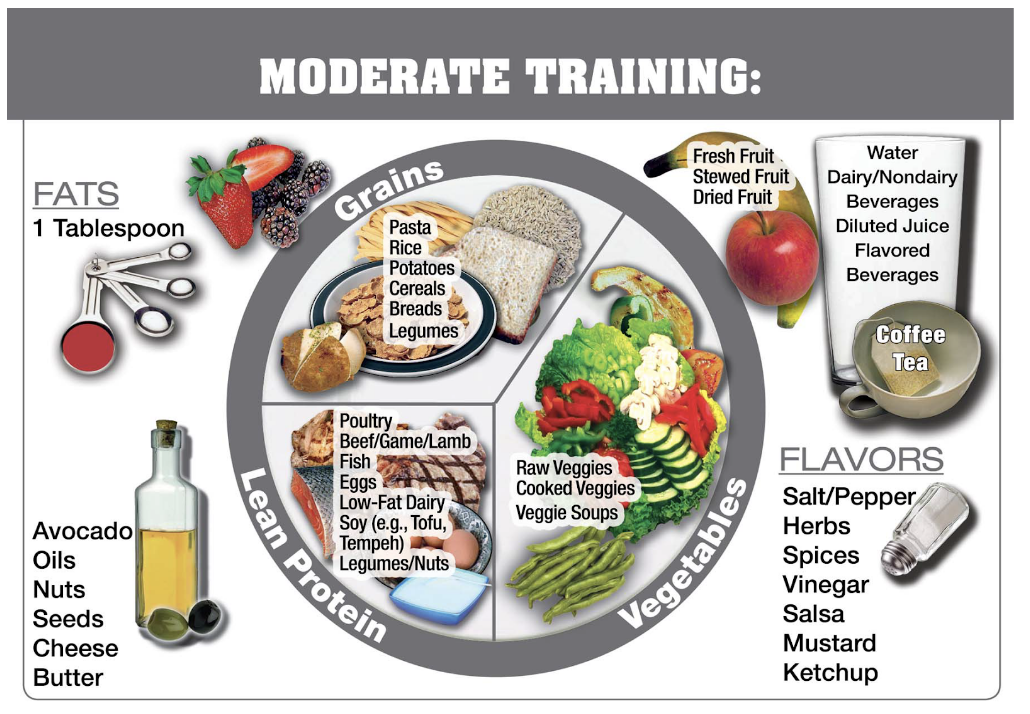
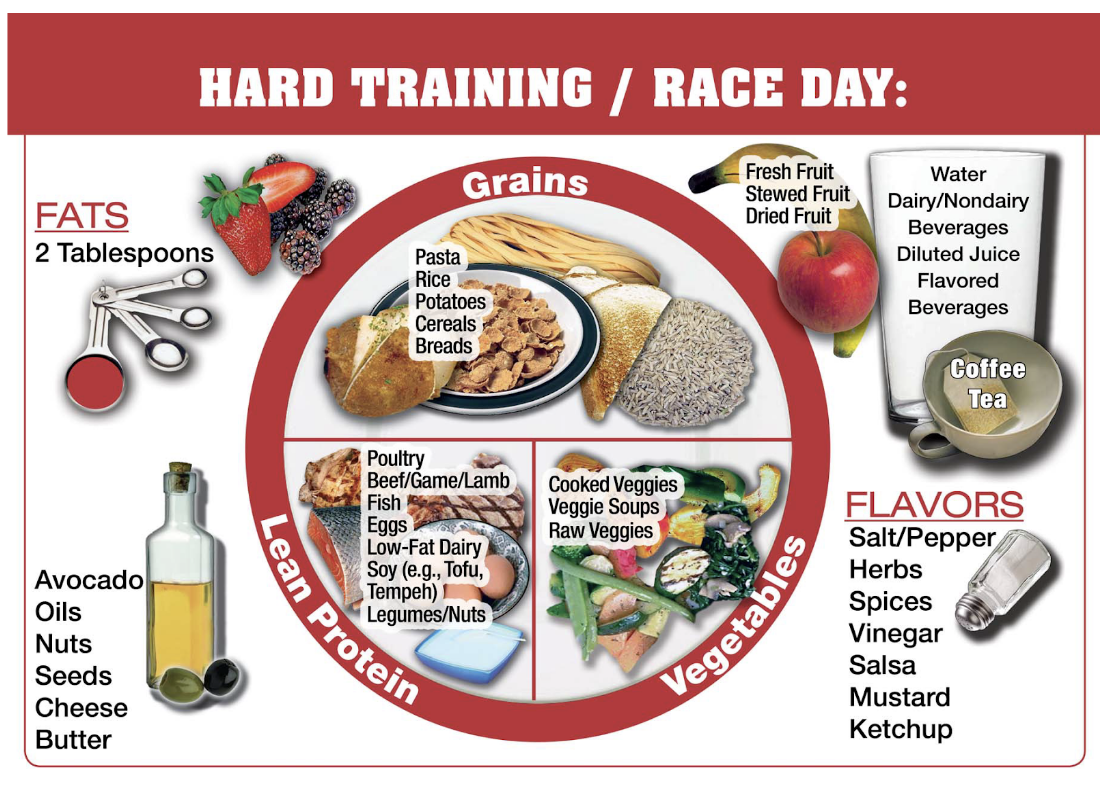
The Plate: Aim for a balanced "three-way split" at breakfast, lunch, and dinner: ⅓ high-fiber carbohydrates, ⅓ vegetables or fruit, and ⅓ lean protein.
Snack Strategy: Prioritise high-carb snacks with moderate protein to support muscle repair (e.g., yogurt with a muesli bar or Vitawheat crackers with light cheese).
Day Out: The Peak Load
Target: 8g of carbohydrates per kg of body weight. Today is about pure energy. We pivot away from fiber and fats to maximise absorption and prevent "heavy" digestion on race morning.
The Plate: Shift your main meals to be ½ high-carb (white rice, pasta, or potatoes), ¼ fruit/veg, and ¼ lean protein. Keep fats to a minimum.
Snack Strategy: Aim for three high-carb, low-fiber snacks throughout the day (e.g., rice crackers, a banana, or a simple muesli bar).
Race Day: The Final Top-Up
The schedule below is based on an AM race start. If you have an afternoon start time, simply continue your "1 Day Before" strategy for breakfast and lunch, then follow this countdown leading up to your specific wave time.
On the day, your goal is to maintain blood glucose and top off liver glycogen without stressing the gut.
2–3 Hours Before: A substantial high-carb meal to provide lasting energy (e.g., pancakes with honey or 3 slices of white toast with jam and fruit).
1–1.5 Hours Before: A light, high-carb snack (~30–60g carbs) like a crumpet or white bread to prime the system.
30 Minutes Before: A final, easily digestible "hit" (e.g., a small banana or a few dates).
During the Race: Aim for 30–60g of carbs per hour. Whether it’s a gel or a handful of "snake" lollies, consistent fueling prevents your pace from dropping during those final running laps.
Pro Tip: Training is your "laboratory." Use your long weekend simulations to trial specific brands of gels and snacks. The golden rule: Never try anything new on race day.
The Hydration Protocol
For Hyrox athletes training in Melbourne, hydration deserves special attention. Our city is famous for rapid shifts in temperature and humidity, which significantly impact sweat rate.
As the December event approaches, many athletes build through spring into early summer. Warmer afternoons and rising humidity increase fluid losses more than expected. Even if a session begins in cool morning conditions, indoor training facilities heat up quickly once multiple athletes are rotating through SkiErg intervals and wall balls. Sweat losses accumulate fast—don’t let a "cool morning" trick you into under-hydrating.
The Build-Up
Hydration is a multi-day process. Most of our hydration needs should be met leading up to race day, not on the morning of. As a baseline, aim for 35–45ml of fluid per kilogram of body weight daily. This total includes all your daily fluids—whether that’s water, coffee, tea, juice, milk, or even a Powerade or soda.
Beyond Water: The Sodium Factor
Electrolytes, specifically sodium, are critical for fluid retention and nerve signalling. If you find white streaks on your gym gear after a session, you are a "salty sweater," and a targeted sodium strategy would be beneficial for you.
However, even if you aren’t a salty sweater, you can still benefit from using electrolytes to optimise performance. Aim to include an electrolyte drink the night before the race, as well as on the morning of the event. During the race itself, if you anticipate being on the floor for more than 90 minutes, an electrolyte-enhanced drink is essential to maintain blood volume and prevent the performance dip that comes with mineral loss.
You can opt for a convenient commercial product like Hydralyte, or you can easily whip up your own at home.
The DIY Hydration Recipe
Mix the following in a large (750ml–1L) drink bottle:
Water: 750ml – 1L
Salt: ¼ to ½ teaspoon (sea salt or Himalayan salt is fine).
Potassium: ¼ cup of orange juice.
Glucose: 1 tablespoon of honey, or maple syrup.
Flavour: A squeeze of fresh lemon or lime juice to cut through the saltiness.
Race Strategy
Don’t skip the hydration stations in the Roxzones. Even small, frequent sips can prevent you from crossing the 2% dehydration threshold, the point at which cognitive focus wavers and physical power begins to plummet.
The 4 Rs of Recovery
Recovery is where the actual adaptations to training occur. For the athlete balancing strength and endurance, use this guideline:
Refuel: Consume carbohydrates immediately post-race to kickstart glycogen resynthesis.
Repair: Prioritise high-quality, leucine-rich protein (like dairy, eggs, or soy) to repair the significant muscle fibre damage caused by heavy sleds and lunges.
Rehydrate: Replace 150% of the fluid weight lost during the effort. (Tip: you can figure this out by weighing yourself before and after). Alternatively, choose fluids with electrolytes like a milk-based drink or Hydralyte, continue sipping on fluids throughout the day and add salt to meals.
Revitalise: To reduce the inflammatory stress response, eat plenty of nutrient-rich foods like vegetables, berries, nuts, seeds, and fatty fish (e.g. tuna or salmon).

Conclusion: Consistency Over Perfection
One "magic" pre-race meal cannot outweigh weeks of poor fuelling. Success in Hyrox is built on the consistency of your daily nutrition, ensuring you have the energy to train hard and the nutrients to recover faster. While flashy supplements and "bio-hacks" get the most attention, the athletes on the podium are usually the ones who mastered the basics: matching macronutrients based on the training intensity, staying on top of hydration, and prioritising recovery.
Our Expert Team
Isabelle Hum is an Accredited Practising Dietitian and Sports Dietitian at Complete Dietetics in Melbourne. She works with strength and endurance athletes to optimise fuelling, recovery and performance. Helping athletes take their performance to the next level.

References
Jensen, J., et al. (2011). The Role of Skeletal Muscle Glycogen Breakdown for Regulation of Insulin Sensitivity by Exercise. Frontiers in Physiology.
Hargreaves, M., & Spriet, L. L. (2020). Skeletal muscle energy metabolism during exercise. Nature Metabolism.
Impey, S. G., et al. (2018). Fuel for the Work Required: A Theoretical Framework for Carbohydrate Periodization and the Glycogen Threshold Hypothesis. Sports Medicine.
Burke, L. M., et al. (2018). Contemporary Nutrition Strategies to Optimize Performance in Training and Competition. International Journal of Sport Nutrition and Exercise Metabolism.
Jäger, R., et al. (2017).International Society of Sports Nutrition Position Stand: Protein and Exercise. Journal of the International Society of Sports Nutrition.
Frequently asked questions
-
As the Melbourne event approaches in early summer, training intensity and temperature both increase. Carbohydrate intake should match your workload, typically 6–8g/kg on heavy training days. Warmer conditions mean fluid and electrolyte needs rise, particularly during longer weekend simulations.
-
Yes. Creatine Monohydrate is one of the most researched supplements for supporting high-intensity power. It is particularly beneficial for the heavy strength stations like the Sled Push and Wall Balls.
-
Absolutely. The key is ensuring you meet your total energy and protein requirements. Plant-based athletes need to be more strategic with protein leucine content (found in soy and legumes) to ensure optimal muscle repair.
-
The core principles remain the same: adequate carbohydrates to fuel training, sufficient protein to support recovery, and appropriate hydration.
However, important physiological differences must be considered. Get in touch with Isabelle to tailor a program specific to you.
-
Yes. Our clinic is physically located in Geelong, and we also offer Telehealth consultations for athletes across Melbourne and Australia.
FAQs - Complete Dietetics
-
At Complete Dietetics, our Accredited Practising Dietitians specialise in six core areas of nutrition. See our full list of services and find the area that best fits your needs.
-
You do not need a GP referral to book with us. During registration, we’ll ask for details of any doctors or specialists involved in your care so we can coordinate with your healthcare team (with your permission). For your first appointment, please bring or forward any relevant information, such as past medical history, test/scans results, current medications.
-
Yes. Our Accredited Practising Dietitians provide secure telehealth dietitian consultations via video across all Australian states and territories. Enjoy the same personalised, evidence-based care from the comfort of your home—no referral needed.
-
Our home clinic is at 85 McKillop Street, Geelong VIC 3220. We’re open Monday to Friday, 8am–5pm (with after-hours appointments available by request)
-
Yes, we provide home visits for NDIS participants who will benefit most from our specialised care, including tube-fed clients and those with MS or neurological conditions. Currently, we offer home visits in the Geelong region and Inner South East Suburbs of Melbourne, within a 30-minute travel distance. Please check with reception to see if you/your participant fall within our home visit locations.